
Washing machine leaking water: how to find the source
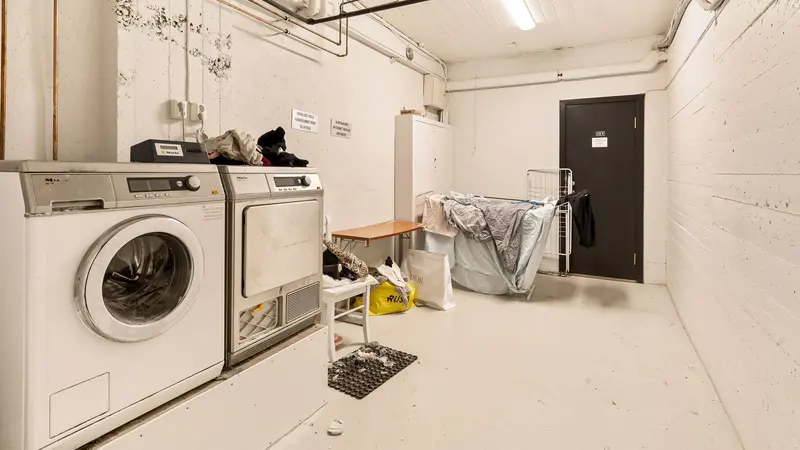
A puddle under the washer is worth taking seriously right away, because a slow leak damages subfloor and drywall long before you notice it. The key is figuring out when in the cycle the water appears, which narrows the source dramatically.
Note when the water appears
Water present before you even start a cycle means the fill valve or a supply connection is leaking under constant pressure. Water during fill points at the inlet valve or hoses. During wash or tumble, suspect the door boot or tub seal. During drain or spin, look at the pump, sump hose, and drain hose. This single observation saves most of the guesswork.
Check the supply hoses and inlet
Feel the fill hose connections at both the wall valves and the machine. Look for rust streaks, mineral crust, drips, or bulging. Rubber washers inside the fitting flatten over time. Hand-tighten plus a quarter turn with pliers, and replace hoses older than five years. If the machine inlet threads are cracked, the inlet valve assembly needs replacing.
Inspect the door boot on front-loaders
Pull the gasket back all the way around and look for tears, punctures, or hardened spots, especially along the bottom third where debris collects. An underwire or a nail in a pocket punctures a boot easily. Small tears at the front lip sometimes hide until the drum tumbles at full water level. Boot replacement usually runs $250 to $420 installed.
Look at the pump and sump hose
Leaks that appear only when the machine drains commonly come from a cracked pump housing, a loose sump hose clamp, or a filter cap that was not reseated fully after cleaning. Check that the filter is threaded in tight with its gasket seated. If water is dripping from the pump body itself, the pump is due for replacement.
Rule out overflow and oversudsing
Too much detergent creates foam that pushes past the door seal or up through the dispenser and out onto the floor. It looks like a component leak but leaves a soapy residue. Run one cycle with no detergent at all and see whether the leak repeats. If it does not, cut your dose to about a tablespoon of HE detergent.
Check the drain, not just the washer
If the puddle appears around the standpipe rather than under the machine, the house drain may not be handling the discharge rate, causing backflow at the top of the pipe. This is a plumbing issue, not an appliance fault. Confirm the drain hose is not pushed in past about six inches, which can cause siphoning and overflow.
Frequently asked questions
Can I keep using a washer with a small leak?
Not safely. Shut the supply valves and stop using it. Slow leaks cause subfloor rot and mold long before the leak becomes obvious.
Why does my washer leak only on large loads?
Higher water levels reach the upper part of the door boot and tub seal, exposing tears and seal wear that smaller loads never touch.
Is a leaking tub seal worth repairing?
Often not on an older front-loader. The tub seal sits with the bearing, so the repair usually means major disassembly or a new outer tub.