
Thermador oven problems: what fails and how it is diagnosed
 Cooking
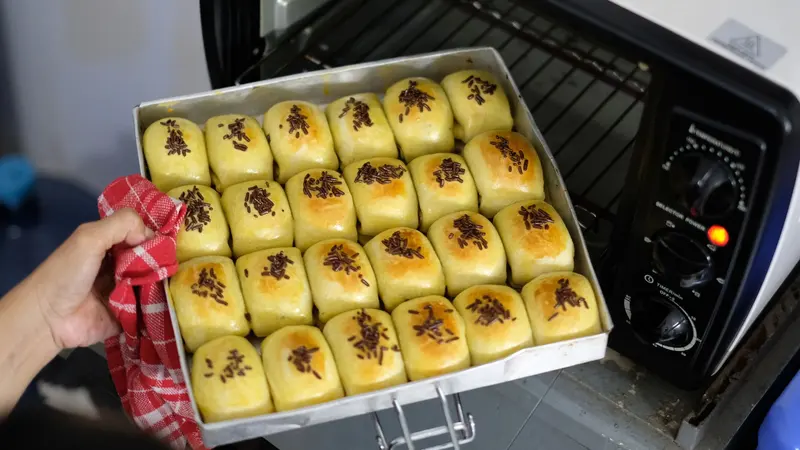
Photo: reyhan diptayana / Pexels
Cooking
Photo: reyhan diptayana / Pexels Thermador builds its wall ovens around tight temperature control, which is why owners notice even small drifts. The upside is that the same precision makes faults easier to isolate: each stage of the heating loop leaves a distinct symptom. Below is how a technician works through the most common Thermador complaints.
Oven heats, but never reaches the set temperature
This is a sensor story far more often than an element story. Thermador ovens use an RTD temperature probe whose resistance changes with heat; the control board reads that resistance and decides when to stop heating. A probe that has drifted out of spec reads hotter than reality, so the board shuts the element off early. A technician measures the probe cold and compares it against the manufacturer resistance chart before touching anything else.
One element glows, the other does not
Wall ovens with bake and broil elements can lose one without losing the oven. The oven still works, so the fault often goes unnoticed until baking becomes uneven. Each element is tested for continuity; an open element reads infinite resistance. On models with a hidden bake element under the floor panel, this test requires removing the liner, which is why the diagnosis is worth confirming before ordering parts.
Door will not unlock after self-clean
The self-clean cycle drives the oven far above normal operating temperature and mechanically locks the door. If the cycle is interrupted, or if the thermal fuse opens, the latch motor can be left in the wrong position. Cutting power for several minutes sometimes resets the latch logic. If it does not, the lock assembly or the fuse that protects it has failed and must be replaced — forcing the door damages the latch permanently.
Error codes on the display
Thermador fault codes point at a subsystem, not a part. A code that indicates a sensor fault, for example, can mean the probe, the wiring harness, or the board input that reads it. The wiring is checked first because it is free to test and is a common failure point where the harness passes near the oven cavity and is exposed to repeated heat cycling.
Why the built-in matters for the repair itself
Thermador ovens are built in, and pulling a double wall oven out of its cabinet is a two-person job that requires supporting the unit while the mounting screws come out. Most of the labour on a Thermador call is access, not the repair. That is why an accurate diagnosis before disassembly saves the most time.
Frequently asked questions
Is it worth repairing a Thermador oven rather than replacing it?
Usually yes. These are built-in units matched to a specific cabinet cut-out, and replacing one often means cabinetry work as well. A control board or element replacement is almost always the smaller job.
Can a temperature drift be recalibrated instead of repaired?
Many Thermador models allow a calibration offset of a limited number of degrees. That is appropriate for a small consistent drift, not for a failing sensor — recalibrating around a bad probe hides the fault and it returns worse.