
Washer and dryer limits in Chicago apartments and two-flats
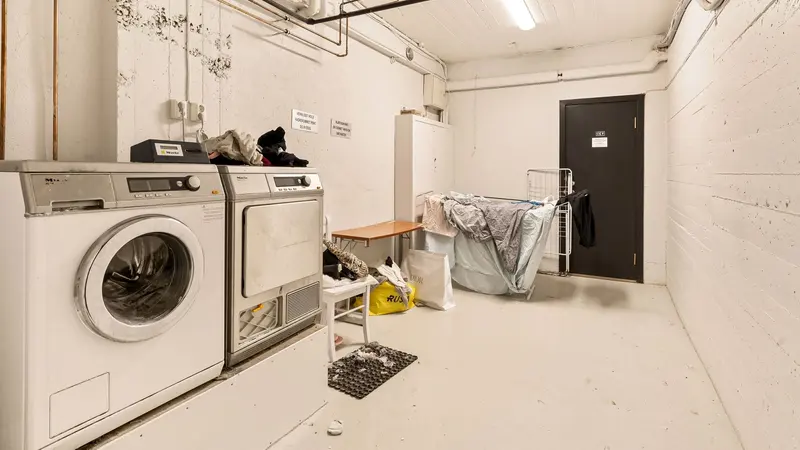
Chicago has an enormous stock of pre-war two-flats, courtyard buildings and converted units where laundry was never part of the original plan. People buy a full-size pair, have it delivered, and discover the outlet is wrong, the drain cannot take the flow, or there is nowhere to vent. Checking four things first avoids all of it.
Electrical: the 240-volt question
A standard electric dryer needs a dedicated 240-volt circuit, typically 30 amps, with either a three-prong or four-prong receptacle depending on the era of the wiring. Many older units have only 120-volt service in the laundry area. Adding a 240-volt circuit means panel capacity, a licensed electrician, and often a permit. A ventless heat pump dryer running on standard 120 volts is frequently the cheaper answer.
Gas dryers and what a shared building allows
A gas dryer needs a capped gas line, a shutoff, and proper venting, and in multi-unit buildings it usually needs landlord or association approval. Gas dryers dry faster and cost less to run, but the installation requirements are stricter and improper venting of combustion byproducts is a life safety issue, not a code technicality.
Venting when there is no exterior wall
Interior units often have no realistic path to outside air. A condensing or heat pump dryer solves this by cooling the moist air and draining the condensate rather than exhausting it. Heat pump models are gentler on fabrics and far more efficient, at the cost of longer cycle times — often 90 minutes or more for a full load. That tradeoff is acceptable to most people once they know about it in advance.
Drain and supply realities in old plumbing
A washer discharges water fast. A standpipe that is too narrow, too short, or tied into an already marginal cast iron stack will back up onto the floor. Standard practice calls for a two-inch standpipe with the top between roughly 30 and 45 inches above the trap. In older buildings, a slow drain that "works fine" for a sink can overflow on a washer discharge, so test before you commit.
Space, doors and getting the machine in
Measure the appliance, then measure every doorway, stair turn and hallway between the truck and the final position. Full-size front-loaders are commonly 27 inches wide, and a 28-inch bathroom door with trim is a real obstacle. Compact 24-inch models exist specifically for this situation and stack cleanly in a closet. Also leave clearance behind the unit for hoses — pushing a machine flat against the wall kinks the fill lines.
Getting an honest assessment first
If you are unsure what your unit can support, a short pre-purchase visit is far cheaper than a failed delivery and a restocking fee. FlexFul services laundry equipment throughout Chicago and the surrounding suburbs and can confirm what your existing hookups will actually handle before you order.
Frequently asked questions
Can I use a regular outlet for an electric dryer?
Only for a 120-volt ventless or compact model designed for it. A standard vented electric dryer requires a dedicated 240-volt circuit.
Are heat pump dryers worth the longer cycle?
For an interior unit with no venting option, they are usually the only sensible choice, and their running costs are substantially lower than a conventional electric dryer.
Do I need permission from my building to install a washer?
In most condo associations and rental buildings, yes — particularly where gas, new electrical circuits, or drain modifications are involved.