
Stop your oven from failing on Thanksgiving: a November checklist
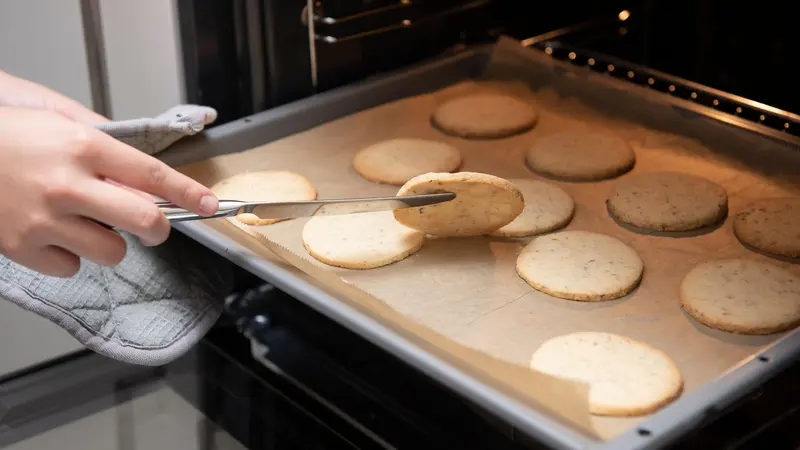
Ovens rarely fail without warning. They fail when asked to hold 350 degrees for six hours after a year of twenty-minute weeknight use, and the week of Thanksgiving is when that happens across every service area we cover. Running the oven hard once in early November surfaces the problems while parts are still available and technicians still have open appointments.
Run a full-temperature test in early November
Set the oven to 350, let it fully preheat, and leave it running for at least an hour with an independent oven thermometer inside. You are checking three things: that it reaches temperature within roughly 15 minutes, that the thermometer reads within about 25 degrees of the setpoint, and that it holds without cycling off permanently. A unit that drifts 50 degrees low will ruin a turkey and is a thermostat or sensor problem, not a cooking problem.
Do not run self-clean the week before
This is the single most common way people break an oven right before a holiday. Self-clean drives the cavity to 800 to 900 degrees, and that thermal stress is what finally kills an aging bake element, door lock motor, or thermal fuse. If you want to self-clean, do it in early November so there is time to repair anything it exposes. Better still on an older oven, clean by hand.
Check the door seal and hinges
Close the door on a strip of paper and pull. If it slides out with no resistance, the gasket is worn and heat is escaping, which shows up as long preheat times and uneven browning. Sagging hinges have the same effect. Both are inexpensive parts and easy to source in October, and both are commonly back-ordered in late November.
Gas ovens: watch the igniter glow
On a gas oven, watch the igniter with the oven cold and the bake cycle starting. It should glow bright orange and the gas should light within roughly 30 to 60 seconds. An igniter that glows dull orange and takes 90 seconds or more is weak — it no longer draws enough current to open the safety valve reliably, and it will fail soon. Igniters are a routine wear part and a cheap pre-holiday replacement.
Verify the second oven and the range hood too
In double-oven households, the lower cavity often goes months unused and is the one that fails when finally called on. Run it as well. Also confirm the range hood fan and filters are clear, because a holiday cooktop running four burners for hours puts far more grease and moisture into the air than a normal week of cooking.
Book repairs before the rush
Appliance parts distributors and service schedules both tighten sharply the week of the holiday. A bake element or igniter that is a routine same-week repair in early November can become a ten-day wait in late November. If your November test turns up anything — slow preheat, temperature drift, weak igniter, failed door lock — that is the moment to call, not the day before guests arrive.
Frequently asked questions
My oven runs 30 degrees cool. Can I just adjust the recipe?
You can compensate short term, and most ovens have a calibration offset in the settings menu. Consistent large drift usually means a failing temperature sensor and is worth diagnosing.
Is self-clean actually bad for the oven?
It is designed into the appliance, but the extreme heat is what finally breaks marginal components. On an older oven, run it well ahead of any event you depend on, or clean manually.
How long does an oven igniter last?
Typically five to eight years of regular use. They degrade gradually rather than failing suddenly, so a slow-lighting oven is an early warning.