
Appliance settings that quietly lower your energy bill
 Advice
Photo: Bulat843 🌙 / Pexels
Advice
Photo: Bulat843 🌙 / Pexels Efficiency ratings describe an appliance running under ideal conditions. How you actually set and load it makes a large difference in the real number on your bill. None of the changes below cost anything, and most take one minute.
Dishwasher: skip heated dry, keep eco on
The heated dry element is one of the biggest energy draws in a dishwasher cycle. Turn it off and either use the rinse-aid-assisted air dry or crack the door after the wash. The eco or normal cycle uses less water and heat than heavy or pots-and-pans, and for typical loads it cleans just as well because it simply runs longer.
Refrigerator: correct temperatures and clean coils
Set the fridge to 37 to 40 degrees F and the freezer to 0 degrees F. Colder settings do not preserve food better but do run the compressor more. Vacuum the condenser coils twice a year, keep a few inches of clearance behind the unit, and check the door gasket seal. Dusty coils alone can add noticeably to run time.
Laundry: cold water and full loads
Roughly the majority of energy in a wash cycle goes to heating water, so cold-water detergent on a cold cycle is the single largest laundry saving available. Run full but not overpacked loads, and use the highest spin speed the fabric tolerates so the dryer has less water to remove. Every extra minute of drying costs more than the wash did.
Dryer: moisture sensing and a clear vent
Use the automatic moisture-sensing cycle rather than a fixed timer so the machine stops when clothes are dry. Clean the lint screen every load and the full vent duct annually. A partially blocked vent can add a large fraction to drying time, which is pure wasted energy and a fire risk at the same time.
Cooking: match the tool to the job
A toaster oven, air fryer, or microwave uses a fraction of the energy of a full oven for small portions. Match pot diameter to the burner, keep lids on, and stop opening the oven door, since each peek drops the cavity temperature substantially. Preheating is unnecessary for many roasted dishes and casseroles.
What maintenance has to do with efficiency
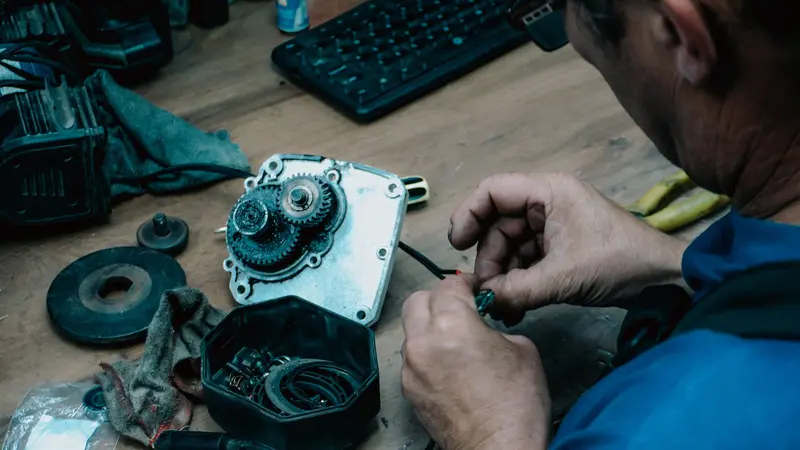
A worn door gasket, a scaled heating element, a clogged filter, and a struggling motor all consume more energy to do the same work. That is why an appliance quietly gets more expensive to run in its later years. Fixing a small fault often pays for part of itself in utility savings before the repair even matters for reliability.
Frequently asked questions
Does running the dishwasher use less water than hand washing?
A full modern dishwasher on a normal cycle uses considerably less hot water than washing the same load by hand under a running tap.
Is it cheaper to run appliances at night?
Only if you are on a time-of-use electricity rate. Check your utility plan, since on a flat rate the timing makes no difference.
Do smart plugs help with appliance energy use?
They are useful for measuring consumption, but never put a refrigerator, freezer, or any high-draw appliance on a smart plug not rated for it.